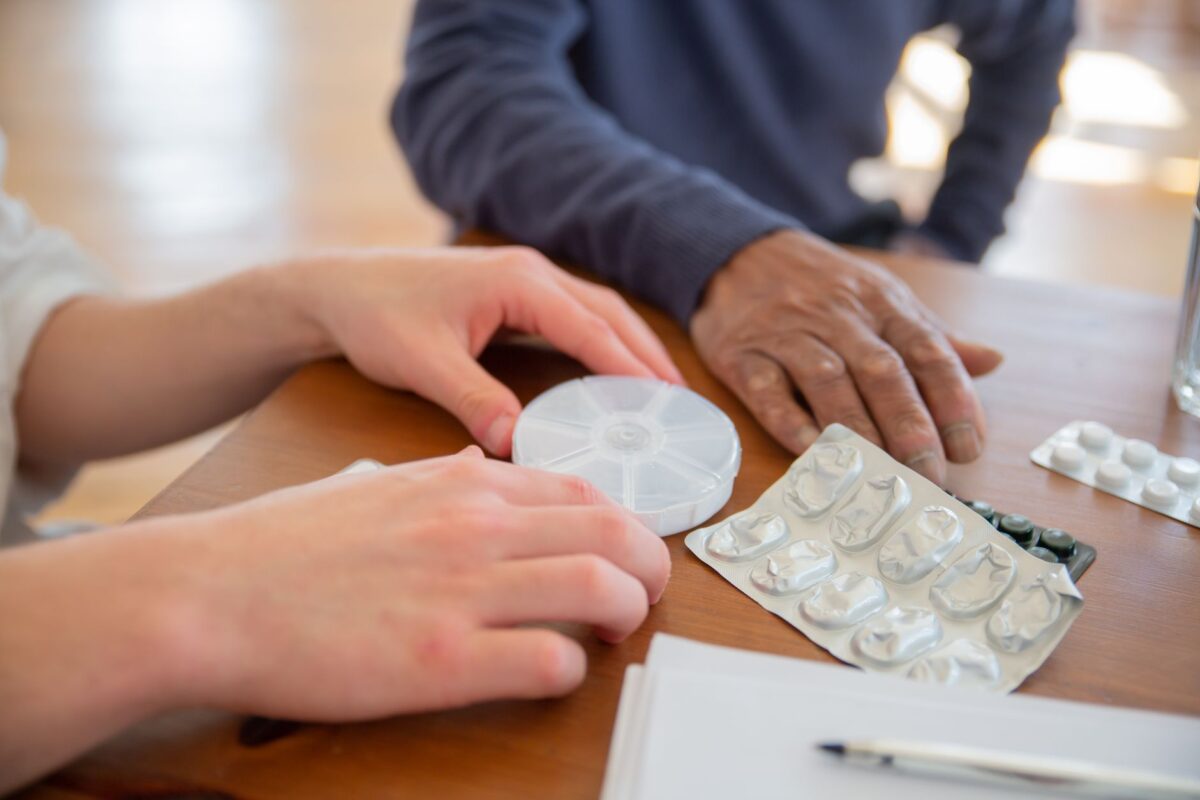
part d vaccines free of charge is no longer a marketing promise — it is federal law, and it has been since January 1, 2023. The Inflation Reduction Act eliminated all cost sharing for adult vaccines recommended by the CDC’s Advisory Committee on Immunization Practices (ACIP) when those shots fall under Medicare Part D. That means no copay. No coinsurance. No deductible, even if you have not touched your plan’s deductible yet this year.
Before the change, a shingles series could cost a beneficiary real money at the counter. The median out-of-pocket price for the shingles vaccine was $45 per dose beforehand. It is now zero. In 2023 alone, 10.3 million Part D enrollees received a free recommended vaccine, saving more than $400 million collectively. Understanding which shots qualify — and which fall under Part B instead — is what keeps you from being billed by mistake.
Why part d vaccines free coverage exists and what changed
Before 2023, Medicare treated vaccines inconsistently. Flu and pneumonia shots were preventive services under Part B with no cost sharing. Shingles, Tdap, and other adult vaccines sat on Part D drug formularies. That meant they were subject to tiers, deductibles, and coinsurance like any prescription. A beneficiary could face a bill of $150 or more for a two-dose shingles series. Many people simply skipped the second dose.
Section 11401 of the Inflation Reduction Act closed that gap. Every Part D plan — standalone drug plans and Medicare Advantage plans with drug coverage alike — must now cover ACIP-recommended adult vaccines at zero cost. This applies regardless of the drug tier the vaccine sits on. It applies whether you are in the deductible phase, the initial coverage phase, or the catastrophic phase.
The results showed up fast. Shingles vaccination rose by an estimated 26.3 additional vaccinations per 10,000 Part D enrollees after cost sharing disappeared. CMS reported that free vaccine recipients jumped from roughly 3.4 million people in 2021 to more than 10 million in 2023 — roughly a threefold increase. As a result, researchers now treat the policy as one of the clearest natural experiments in vaccine access.
Which shots qualify, and which ones Part B covers instead
The split between Part B and Part D confuses almost everyone. It matters because the billing path differs. Part B covers four vaccines as preventive services: influenza, pneumococcal, COVID-19, and hepatitis B for people at high or intermediate risk. Part B also covers tetanus or rabies shots given to treat an injury or exposure — a puncture wound from a rusty nail, for example, or a dog bite.
Everything else recommended by ACIP for adults falls to Part D. That is where part d vaccines free coverage does its work. The list includes shingles (Shingrix, a two-dose series), RSV, Tdap given for routine prevention rather than injury, hepatitis A, and meningococcal vaccines.
| Vaccine | Covered under | Your cost |
|---|---|---|
| Shingles (Shingrix, 2 doses) | Part D | $0 |
| RSV | Part D | $0 |
| Tdap (routine prevention) | Part D | $0 |
| Hepatitis A | Part D | $0 |
| Influenza (flu) | Part B | $0 |
| Pneumococcal | Part B | $0 |
| COVID-19 | Part B | $0 |
| Hepatitis B (at-risk) | Part B | $0 |
There is one important catch. Part B vaccines can be given by any Medicare-enrolled provider. Part D vaccines generally must come from a pharmacy in your plan’s network. Go out of network and you may pay full price. Major carriers including UnitedHealthcare, Humana, Aetna, Cigna, Blue Cross plans, and Mutual of Omaha all administer this the same way, because federal rules require it.
How to get your part d vaccines free without a surprise bill
Most billing problems trace back to where the shot was given, not to whether it was covered. Doctors’ offices frequently cannot bill Part D directly. Some will administer the vaccine, charge you cash, and hand you a receipt to submit for reimbursement. That process works, but it is slow and easy to botch.
The cleaner path is a network retail pharmacy. Walgreens, CVS, Rite Aid, Kroger, Walmart, and most independents are set up to bill Part D electronically at the register. Call ahead and confirm two things. First, that the pharmacy is in your specific plan’s network. Second, that they stock the vaccine — RSV and shingles doses sometimes run short.
Bring your Part D card, not just your red-white-and-blue Medicare card. The pharmacy needs the drug plan information to process a claim for part d vaccines free of cost sharing. If the system quotes you a price above zero for an ACIP-recommended adult vaccine, stop. Do not pay it. Ask the pharmacist to rerun the claim, because a tier or deductible edit was likely applied in error.
If the problem persists, call the number on the back of your plan card. You can also reach 1-800-MEDICARE or use the plan finder at Medicare.gov to verify formulary placement. Free one-on-one help is available through your State Health Insurance Assistance Program (SHIP), which every state operates at no charge. AARP and the National Council on Aging publish plain-language explainers as well.
What this means for your 2026 coverage decisions
Because the zero-dollar rule is federal, no plan can compete on vaccine cost. Every Part D plan offers identical vaccine cost sharing. So do not shop on that basis. Pharmacy network breadth is the real variable, and it varies widely by state and by carrier.
When you compare plans during Open Enrollment — October 15 through December 7 — check whether your preferred pharmacy is in network. Also confirm the plan’s mail-order rules. Some plans push maintenance drugs to mail order but still require an in-person pharmacy visit for vaccines, since the shot must be administered by a pharmacist or provider.
❤️ Get Free Medicare Guides
Free · No spam · Unsubscribe anytime
One more planning note. The ACIP list is not static; recommendations shift as new products come to market and as the committee revises guidance. A vaccine that was not on the list two years ago may qualify now. In most cases the pharmacy’s system reflects updates automatically. Still, if you are told a newer vaccine is not covered, ask whether ACIP has recommended it for your age group and risk profile.
Frequently Asked Questions
Is the shingles vaccine really free under Medicare in 2026?
Yes. Both Shingrix doses are covered at $0 under Part D. In most cases you simply present your drug plan card at a network pharmacy. If you are charged, the claim was processed incorrectly.
Do I need to meet my deductible before part d vaccines free coverage kicks in?
No. The deductible does not apply to ACIP-recommended adult vaccines. Coverage is zero-dollar from January 1 forward, even if you have filled no other prescriptions.
What if my doctor gives the shot instead of a pharmacy?
Physician offices often cannot bill Part D at the point of service. You may be asked to pay upfront and file for reimbursement. Typically a network pharmacy is faster and avoids the paperwork entirely.
Does Medicare Advantage handle vaccines differently?
Not for cost. Advantage plans with drug coverage must follow the same rule, so part d vaccines free of charge applies there too. Networks are usually narrower, however, so confirm your pharmacy before you go.
Compare Medicare Options
Ready to explore your Medicare coverage choices? Comparing plans from multiple carriers is the most effective way to find the right coverage at the best rate for your situation.
(paid link)
Official Sources & Resources
For verified information on Medicare regulations and consumer protection:
- Medicare.gov (Official Site): medicare.gov
- CMS (Centers for Medicare & Medicaid Services): cms.gov
- NAIC (National Association of Insurance Commissioners): naic.org
- KFF Medicare Research: kff.org/medicare
- Social Security Administration: ssa.gov
Content last reviewed August 2026. If you notice any outdated information, please contact us.